
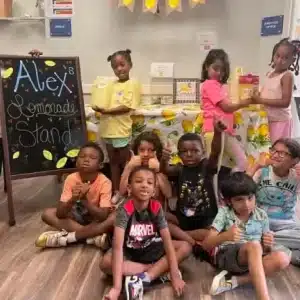
Creating a language-rich environment is a powerful strategy for parents committed to fostering their children’s linguistic development. Every interaction, from casual breakfast conversations to bedtime storytelling, presents an invaluable opportunity to nurture your child’s language skills. This approach isn’t about formal instruction; instead, it’s about seamlessly integrating language development into the fabric of daily life.
Boost Vocabulary and Communication Skills
By embracing the method of creating a language-rich environment, parents can significantly enhance their children’s vocabulary, critical thinking abilities, and communication skills. This approach involves integrating language development opportunities into everyday interactions, making it a simple and accessible strategy for fostering linguistic growth.
Transform Everyday Interactions
- Dialogic Reading: Engage in interactive reading by asking open-ended questions about the story. Encourage your children to make predictions and relate narratives to their own experiences, fostering deeper comprehension and personal connection.
- Narration of Daily Activities: As you go about your day, describe your actions using rich vocabulary and complex sentences. For example, “I’m sautéing these onions until they’re translucent and fragrant” can introduce new vocabulary contextually.
Interactive Techniques for Language Development
- Word Games: Incorporate playful word games into daily routines. These could include rhyming games during car rides or creating silly alliterations while getting dressed. Such games make learning fun and engaging.
- Encourage Meaningful Conversations: Dive deeper into conversations about your child’s day by asking thoughtful questions that require more than yes/no answers. This practice enhances critical thinking and communication skills.
- Expand on Child’s Utterances: Build on what your child says by repeating and elaborating their phrases. For instance, “Dog bark” could become “Yes, the big, brown dog is barking loudly.”
Enhancing Language Skills Through Daily Conversations
Parents play a pivotal role in their child’s language development through daily conversations, which serve as the cornerstone for building robust linguistic foundations.
Strategies for Effective Communication
- Open-Ended Questions: Encourage your child to articulate complex ideas by posing thought-provoking queries that require elaborate responses.
- Descriptive Language: Use vivid descriptions during routine activities to help your child forge connections between words and their applications, solidifying language nuances.
Building Blocks of Language Growth
- Scaffolding: Introduce slightly more advanced vocabulary and sentence structures, gradually expanding your child’s language capabilities.
- Active Listening: Demonstrate attentive listening to encourage your child to express themselves fully. This boosts confidence and models effective communication skills.
- Contextual Learning: Turn everyday situations into learning opportunities. For example, grocery shopping can become lessons in categorization, counting, and descriptive language.
Reading Together: A Cornerstone of Early Childhood Development
Reading together opens up a treasure trove of language-building opportunities, serving as a cornerstone of early childhood education.
Strategies for Maximizing Reading Benefits
- Establish a Routine: Make reading a cherished daily activity to enhance comprehension and vocabulary.
- Diverse Book Selections: Select age-appropriate and varied books to broaden language exposure and stimulate interest.
- Engage in Interactive Discussions: Reinforce understanding and retention by asking questions and discussing plots and characters.
- Expressive Storytelling: Use expressive voices and gestures to bring stories to life, making the experience engaging and memorable.
Importance of Early Reading
Research shows that children who are read to regularly exhibit superior literacy skills. Incorporating interactive reading techniques significantly boosts your child’s critical thinking abilities and vocabulary retention.
Play-Based Learning and Vocabulary Development
Play-based learning provides a natural pathway to expand linguistic abilities, making vocabulary development engaging and effective.
Dynamic Learning Through Play
- Contextual Learning: Children learn new words in real-world contexts during play, making acquisition meaningful and memorable.
- Language Exchange with Peers: Interaction during play exposes children to diverse vocabulary and language structures.
Benefits Beyond Language
- Multimodal Learning: Play engages multiple senses, reinforcing vocabulary through visual, auditory, and kinesthetic experiences.
Parents can actively support vocabulary development by engaging in imaginative play scenarios, introducing new words, and encouraging responses.
Technology’s Transformative Role in Language Development
In today’s digital age, technology complements traditional learning methods with innovative tools for language acquisition.
Strategies for Harnessing Technology
- Diverse Digital Content: Utilize educational apps, videos, and language-focused podcasts to expose children to various linguistic styles.
- Interactive Language Practice: Encourage participation in online forums or discussions to apply language skills in real-world scenarios.
- Balanced Approach: While technology is beneficial, it’s crucial to monitor screen time and ensure digital tools complement rather than replace traditional methods.
Multilingual Approaches: Enhancing Cognitive and Cultural Awareness
Embracing multilingual approaches enhances cognitive development and cultural awareness, expanding vocabulary and literacy in multiple languages.
Implementing Multilingual Strategies
- Daily Multilingual Conversations: Engage your children in conversations and storytelling in multiple languages to boost problem-solving abilities and cultural awareness.
Engaging Community Resources for Language Enhancement
Community resources like libraries and cultural centers offer crucial support for linguistic development.
Leveraging Local Resources
- Library Story Sessions: Attend storytime events and literacy programs to foster a love for reading.
- Cultural Center Workshops: Participate in interactive storytelling and creative expression workshops that encourage language use.
Building a Linguistic Community
By engaging with these community resources, parents can reinforce learning and expose children to diverse perspectives, enhancing their language skills and cultural understanding.
Enhancing Language Skills FAQs
- How can parents use everyday interactions to improve their child’s language skills?
Parents can enhance their child’s language skills by engaging in frequent conversations, asking open-ended questions, and encouraging storytelling. Using descriptive language during daily activities and playing word games are also effective methods. - Why is reading together important for language development?
Reading together introduces children to new vocabulary and sentence structures, enhances comprehension, and fosters a love for reading. It encourages interactive discussions that can improve critical thinking and retention. - What role does play-based learning have in language enhancement?
Play-based learning allows children to explore and use language in meaningful contexts. Through imaginative play and interaction with peers, children expand their vocabulary and develop communication skills naturally. - How can technology aid in language development for children?
Technology provides diverse digital content such as educational apps, e-books, and videos that support language acquisition. These tools offer interactive ways for children to practice language skills in engaging formats. - What are multilingual strategies for enhancing language skills at home?
Multilingual strategies include speaking different languages at home, reading books in multiple languages, and engaging in conversations centered around cultural stories and practices. This enhances cognitive flexibility and enriches vocabulary in multiple languages.
At Big Blue Marble Academy, we understand the importance of creating a language-rich environment for children.
We’ve developed strategies that align with the key points discussed, including engaging in daily conversations, reading together, and incorporating play-based learning. Our approach also leverages technology and embraces multilingual methods to enhance linguistic growth.
We recognize that fostering language skills is an exciting adventure, and we’re here to support you and your child every step of the way.
We invite you to learn more about how Big Blue Marble Academy can help create a nurturing environment where your child’s language skills can flourish naturally.
Our experienced team is ready to share additional resources and personalized strategies tailored to your child’s needs. Contact us today to discover how we can partner with you in this crucial aspect of your child’s development.
Let’s work together to set the stage for your child’s linguistic success and overall growth.